Black History Month offers us a chance to honor the rich history, culture, and achievements of Black individuals throughout history. We’ve curated a list of incredible books that delve into the past, celebrate the present, and inspire hope for the future. From powerful memoirs and historical accounts to compelling fiction and fantasy, these reads shine a light on resilience, creativity, and the enduring fight for justice. Let these books take you on a journey of discovery, empathy, and empowerment.
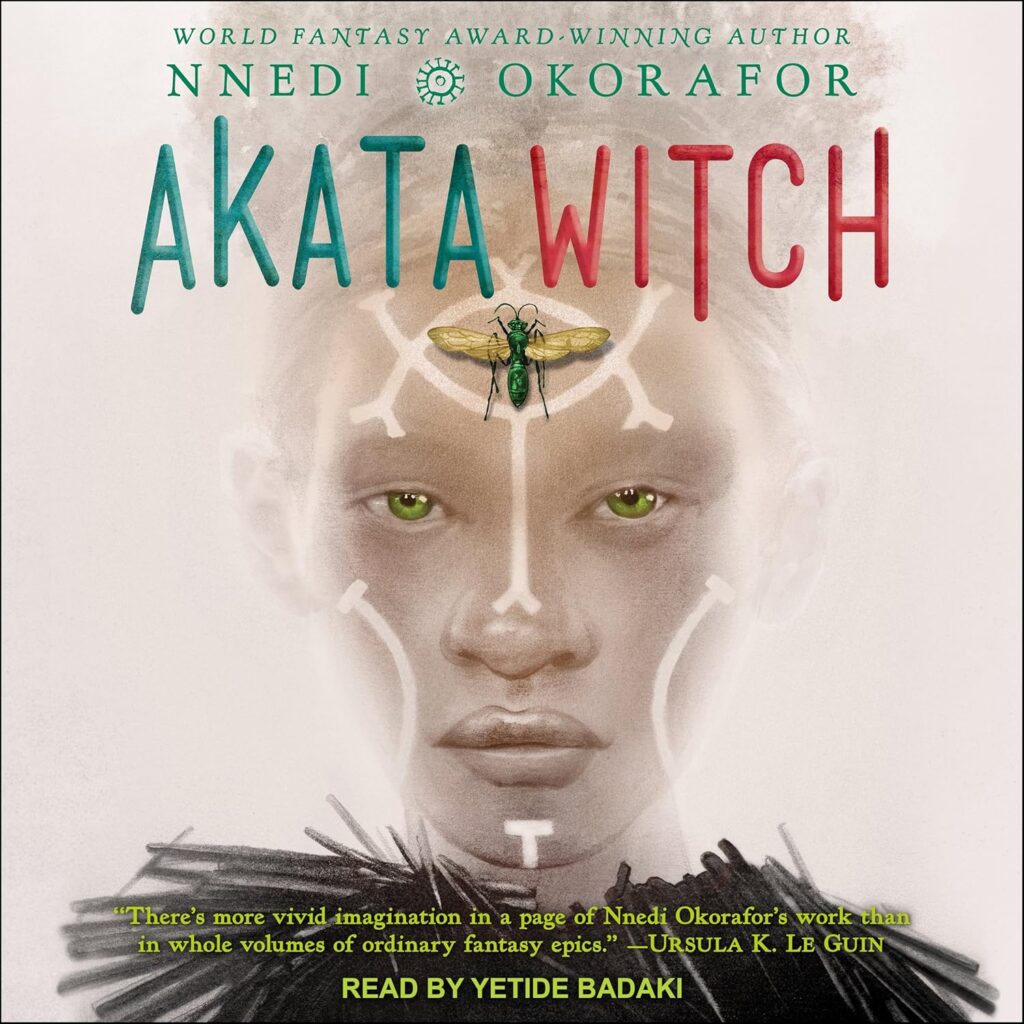
Twelve-year-old Sunny lives in Nigeria, but she was born American. Her features are African, but she has albinism. She’s a terrific athlete but can’t go out into the sun to play soccer. There seems to be no place where she fits in. And then she discovers something amazing – she is a “free agent” with latent mystical power. Soon she’s part of a quartet of students studying the visible and invisible, learning to change reality. But will they have enough to catch a career criminal well-versed in powerful juju?
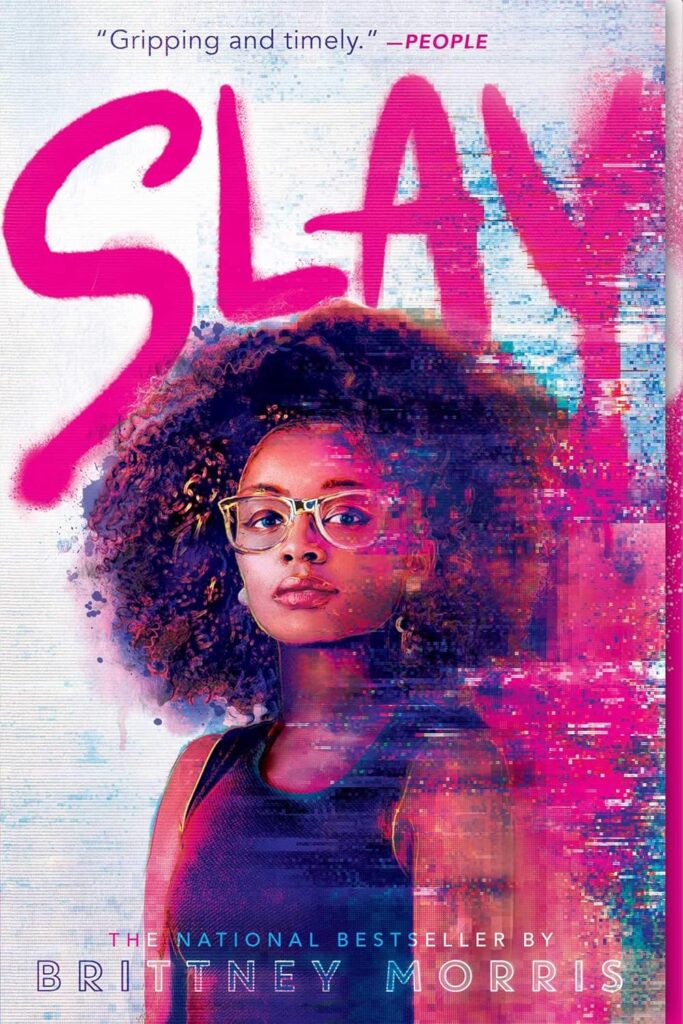
Ready Player One meets The Hate U Give in this dynamite debut novel that follows a fierce teen game developer as she battles a real-life troll intent on ruining the Black Panther–inspired video game she created and the safe community it represents for Black gamers.
By day, seventeen-year-old Kiera Johnson is an honors student, a math tutor, and one of the only Black kids at Jefferson Academy. By night, she joins myriad Black gamers who duel as Nubian personas in the secret MMORPG card game, SLAY. No one knows Kiera is the developer, especially not her boyfriend, Malcolm. He believes video games are partially responsible for the “downfall of the Black man.”
When a teen in Kansas City is murdered over a dispute in the SLAY, news of it reaches mainstream media. SLAY is labeled a racist, exclusionist, violent hub for thugs and criminals. Even worse, an anonymous troll infiltrates the game, threatening to sue Kiera for “anti-white discrimination.”
Driven to save the only world in which she can be herself, Kiera must preserve her secret identity. She must harness what it means to be unapologetically Black in a world intimidated by Blackness. But can she protect her game without losing herself in the process?
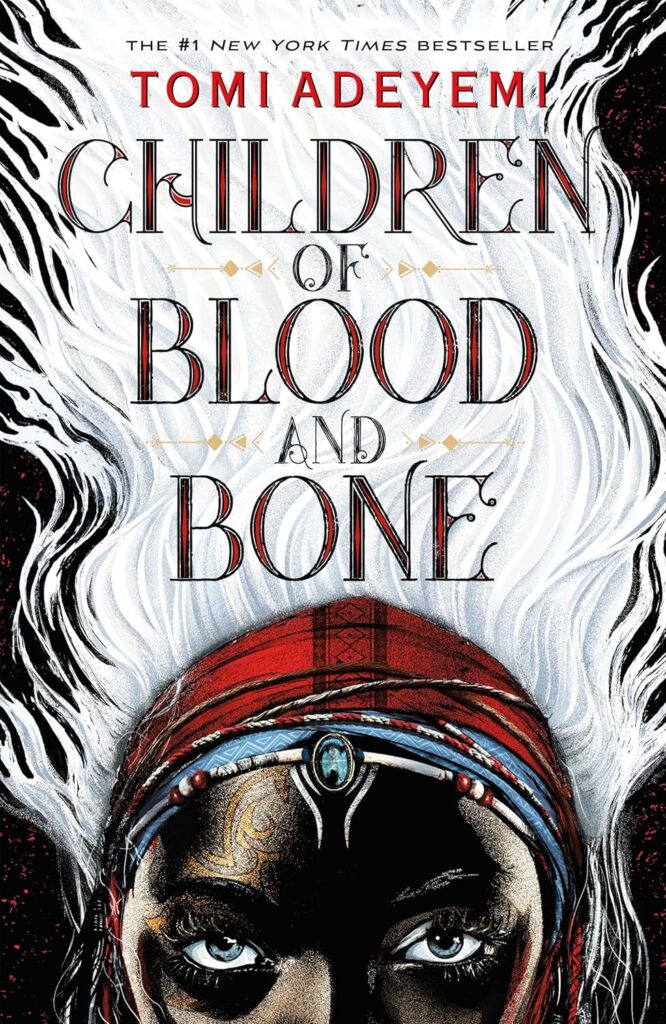
Children of Blood and Bone by Tomi Adeyemi
They killed my mother.
They took our magic.
They tried to bury us.
Now we rise.
Zélie Adebola remembers when the soil of Orïsha hummed with magic. Burners ignited flames, Tiders beckoned waves, and Zélie’s Reaper mother summoned forth souls.
But everything changed the night magic disappeared. Under the orders of a ruthless king, maji were killed, leaving Zélie without a mother and her people without hope.
Now Zélie has one chance to bring back magic and strike against the monarchy. With the help of a rogue princess, Zélie must outwit and outrun the crown prince, who is hell-bent on eradicating magic for good.
Danger lurks in Orïsha, where snow leoponaires prowl and vengeful spirits wait in the waters. Yet the greatest danger may be Zélie herself as she struggles to control her powers and her growing feelings for an enemy.
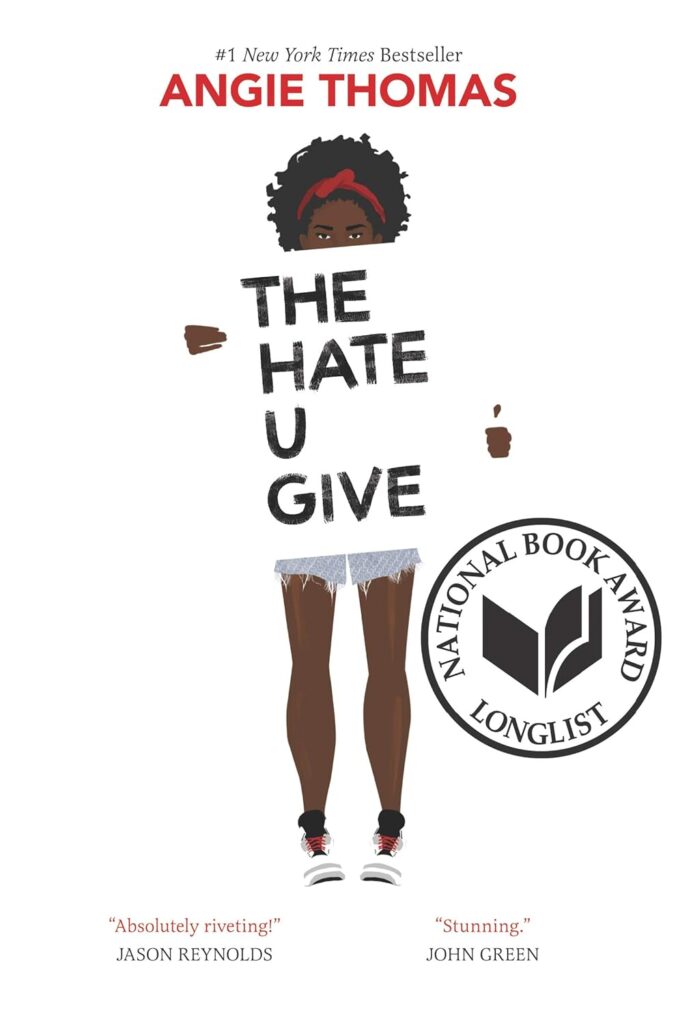
The Hate U Give by Angie Thomas
Sixteen-year-old Starr Carter moves between two worlds: the poor neighborhood where she lives and the fancy suburban prep school she attends. The uneasy balance between these worlds is shattered when Starr witnesses the fatal shooting of her childhood best friend Khalil at the hands of a police officer. Khalil was unarmed.
Soon afterward, his death is a national headline. Some are calling him a thug, maybe even a drug dealer and a gangbanger. Protesters are taking to the streets in Khalil’s name. Some cops and the local drug lord try to intimidate Starr and her family. What everyone wants to know is: what really went down that night? And the only person alive who can answer that is Starr.
But what Starr does—or does not—say could upend her community. It could also endanger her life. A perfect fiction choice for Black History Month, or any time you are looking for a thought-provoking read.
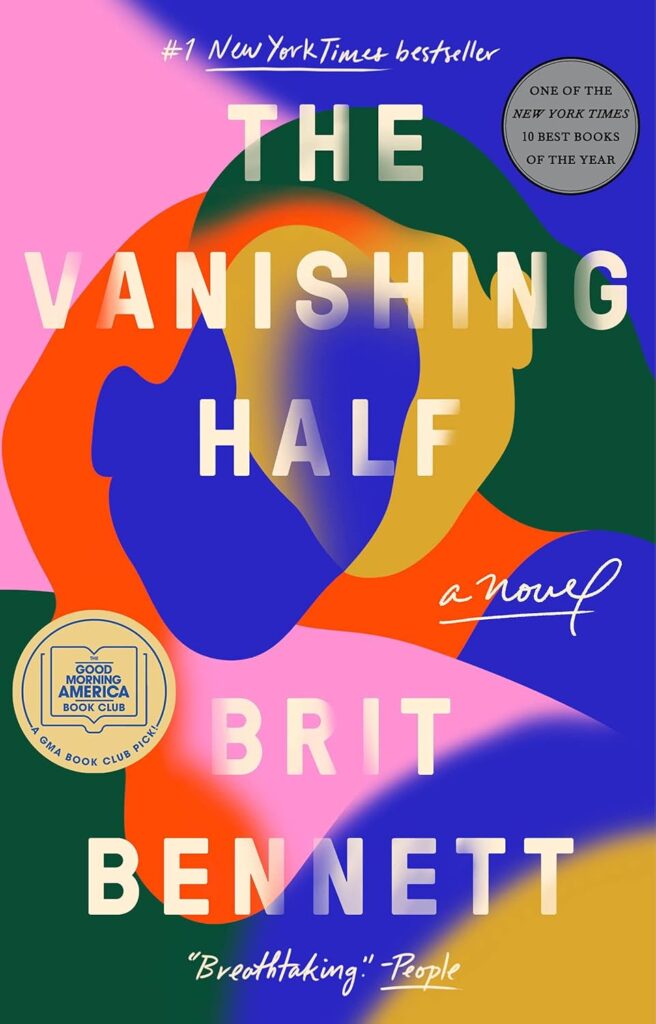
The Vanishing Half by Brit Bennett
The Vignes twin sisters will always be identical. They grew up together in a small, southern black community and ran away at age sixteen. But the shape of their daily lives is different as adults: family, community, racial identity. Many years later, one sister lives with her black daughter in the same southern town she once tried to escape. The other secretly passes for white, and her white husband knows nothing of her past. Still, even separated by so many miles and just as many lies, the fates of the twins remain intertwined. What will happen to the next generation, when their own daughters’ storylines intersect?
This story weaves together multiple strands and generations of one family, from the Deep South to California, from the 1950s to the 1990s. It is at once a riveting, emotional family story and a brilliant exploration of the American history of passing. Looking well beyond issues of race, The Vanishing Half considers the lasting influence of the past as it shapes a person’s decisions, desires, and expectations.
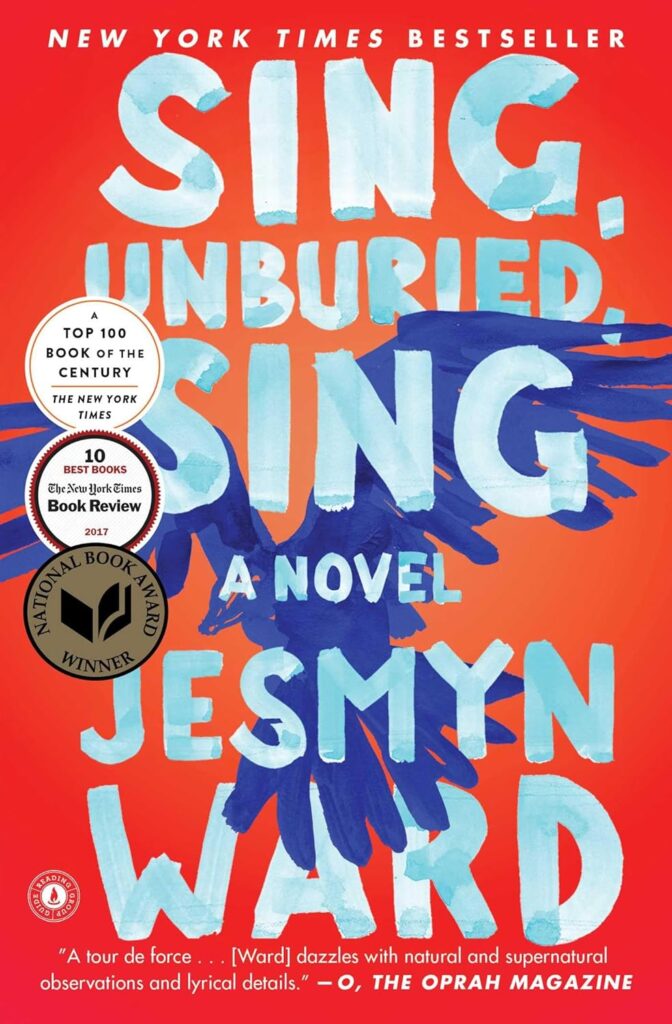
Sing, Unburied, Sing by Jesmyn Ward
Jojo is thirteen years old and trying to understand what it means to be a man. He doesn’t lack in fathers to study, chief among them his Black grandfather, Pop. But there are other men who complicate his understanding. Theres his absent White father, Michael, who is being released from prison. His absent White grandfather, Big Joseph, who won’t acknowledge his existence. And the memories of his dead uncle, Given, who died as a teenager.
His mother, Leonie, is an inconsistent presence in his and his toddler sister’s lives. She is an imperfect mother in constant conflict with herself and those around her. Leonie is Black and her children’s father is White. She wants to be a better mother but can’t put her children above her own needs, especially her drug use. Leonie is simultaneously tormented and comforted by visions of her dead brother, which only come to her when she’s high. She is embattled in ways that reflect the brutal reality of her circumstances.
When the children’s father is released from prison, Leonie packs her kids and a friend into her car and drives north to the heart of Mississippi and Parchman Farm, the State Penitentiary. At Parchman, there is another thirteen-year-old boy, the ghost of a dead inmate who carries all of the ugly history of the South with him in his wandering. He too has something to teach Jojo about fathers and sons, about legacies, about violence, about love. This is a powerful fiction read for Black History month.
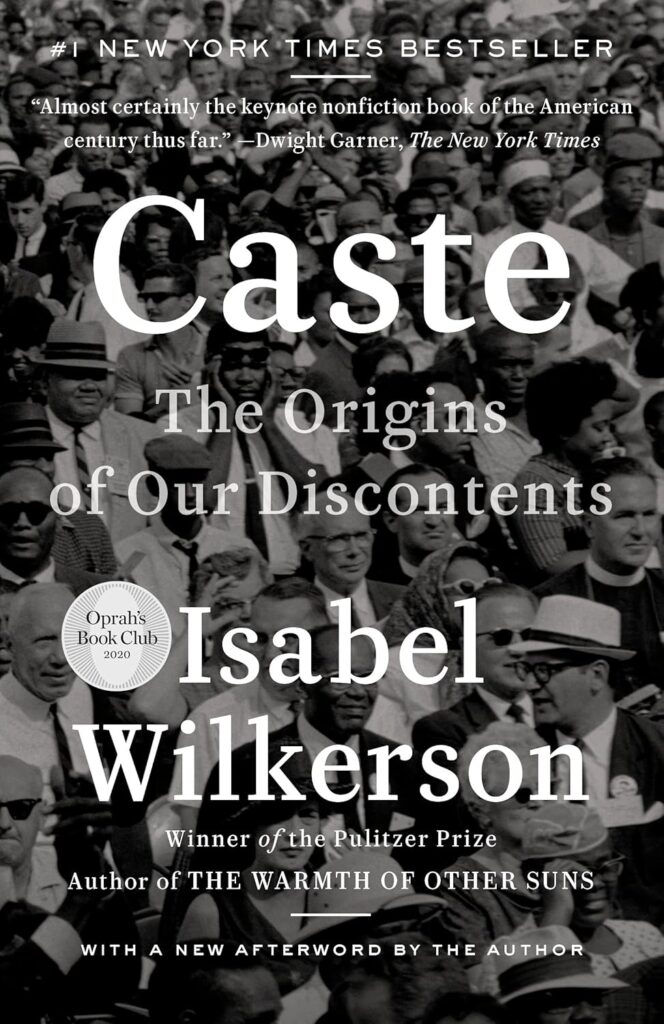
Caste: The Origins of Our Discontents by Isabel Wilkerson
“As we go about our daily lives, caste is the wordless usher in a darkened theater, flashlight cast down in the aisles, guiding us to our assigned seats for a performance. The hierarchy of caste is not about feelings or morality. It is about power—which groups have it and which do not.”
Beyond race, class, or other factors, there is a powerful caste system that influences people’s lives and behavior and the nation’s fate. Isabel Wilkerson explores eight pillars that underlie caste systems across civilizations, including divine will, bloodlines, stigma, and more. She links the caste systems of America, India, and Nazi Germany. Wilkerson uses riveting stories about people to show the ways that the insidious undertow of caste is experienced every day. Finally, she points forward to ways America can move beyond the artificial and destructive separations of human divisions. A perfect choice for Black History Month, or any time you are looking for a thought-provoking read.
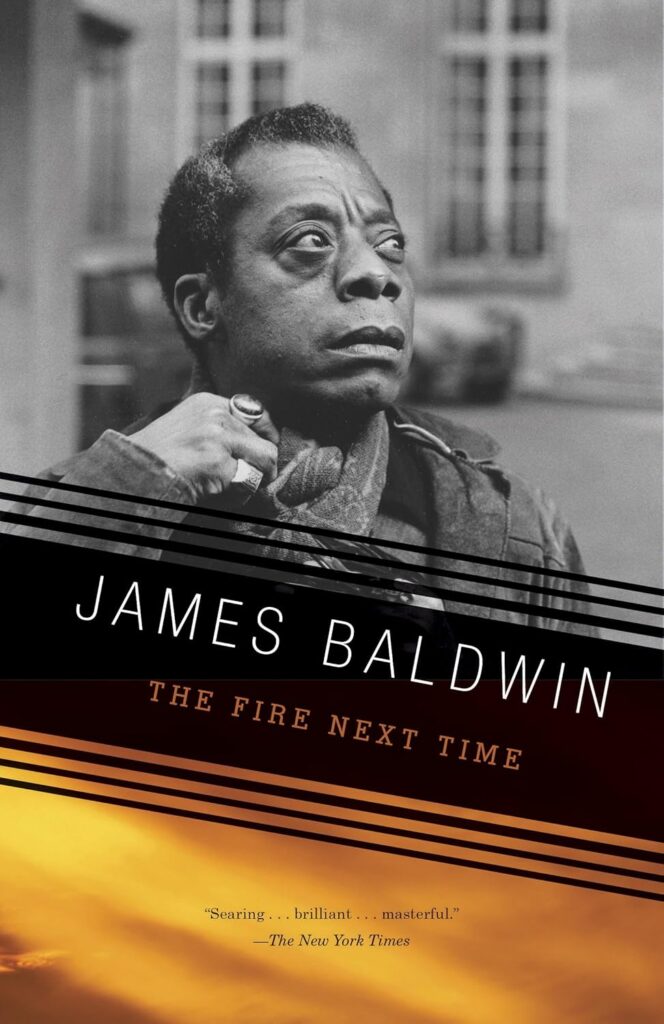
The Fire Next Time by James Baldwin
At once a powerful evocation of James Baldwin’s early life in Harlem and a disturbing examination of the consequences of racial injustice, the book is an intensely personal and provocative document from the iconic author of If Beale Street Could Talk and Go Tell It on the Mountain. It consists of two “letters,” written on the occasion of the centennial of the Emancipation Proclamation, that exhort Americans, both black and white, to attack the terrible legacy of racism and the subjugation of Black history.
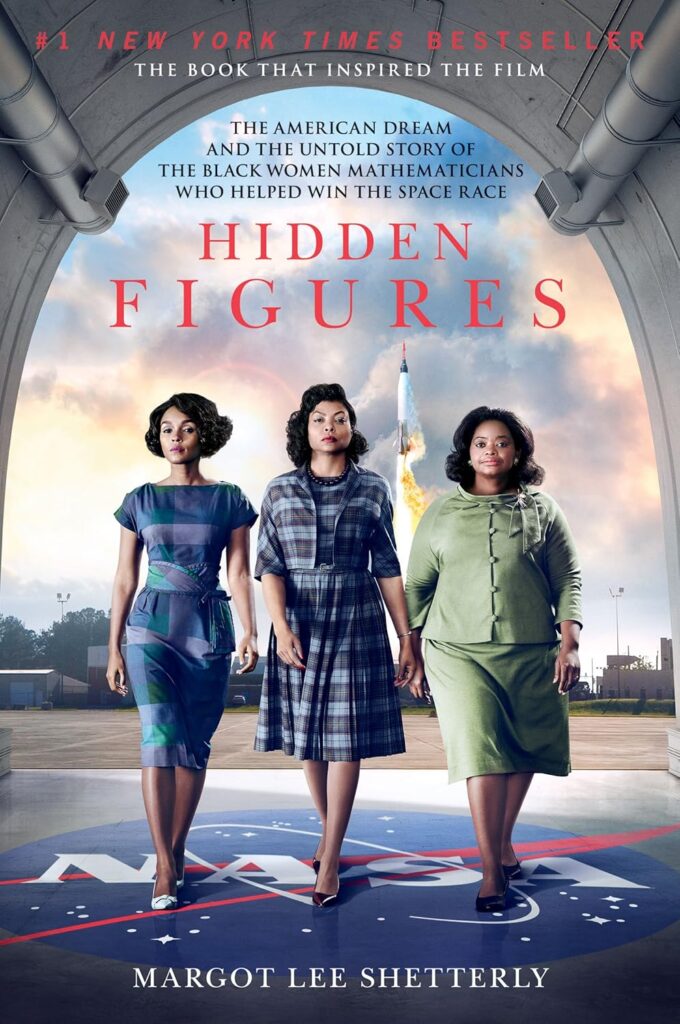
Hidden Figures by Margot Lee Shetterly
The true story of the Black female mathematicians at NASA whose calculations helped fuel some of America’s greatest achievements in space. Before John Glenn orbited the earth, or Neil Armstrong walked on the moon, a group of dedicated female mathematicians known as “human computers” used pencils, slide rules and adding machines to calculate the numbers that would launch rockets, and astronauts, into space.
Among these problem-solvers were a group of exceptionally talented African American women, some of the brightest minds of their generation. These women were originally relegated to teaching math in the South’s segregated public schools. They were called into service during the labor shortages of World War II. This was a time when America’s aeronautics industry was in dire need of anyone who had the right stuff. Suddenly, these overlooked math whizzes had a shot at jobs worthy of their skills. Answering Uncle Sam’s call, they moved to Hampton, Virginia and the fascinating, high-energy world of the Langley Memorial Aeronautical Laboratory.
Virginia’s Jim Crow laws required them to be segregated from their white counterparts. Despite this, they helped America achieve a decisive victory over the Soviet Union in the Cold War. Their work gave the US complete domination of the heavens.
From World War II to the Space Race, Hidden Figures brings to light this shadowed era of Black history. It follows the interwoven accounts of Dorothy Vaughan, Mary Jackson, Katherine Johnson and Christine Darden. These four African American women participated in some of NASA’s greatest successes.
How to Be an Antiracist by Ibram X. Kendi
Antiracism is a transformative concept that reorients and reenergizes the conversation about racism—and, even more fundamentally, points us toward liberating new ways of thinking about ourselves and each other. At its core, racism is a powerful system that creates false hierarchies of human value; its warped logic extends beyond race, from the way we regard people of different ethnicities or skin colors to the way we treat people of different sexes, gender identities, and body types.
Racism intersects with class and culture and geography and even changes the way we see and value ourselves. In How to Be an Antiracist, Kendi takes listeners through a widening circle of antiracist ideas—from the most basic concepts to visionary possibilities—that will help listeners see all forms of racism clearly, understand their poisonous consequences, and work to oppose them in our systems and in ourselves. This is an excellent way to explore Black history and the ramifications of racism.
Kendi weaves an electrifying combination of ethics, history, law, and science with his own personal story of awakening to antiracism. This is an essential work for anyone who wants to go beyond the awareness of racism to the next step: contributing to the formation of a just and equitable society.
